Chung Cheng Academic Achievements Information System


孕期維生素 D 對孕婦及後代健康的影響:系統性回顧與統合分析之傘式文獻回顧
Natural sciences
JUN 04, 2026

Effects of vitamin D in pregnancy on maternal and offspring health-related outcomes: An umbrella review of systematic review and meta-analyses

Read More

慢性腎臟病患者使用 GLP-1 受體促效劑之腎臟與心血管預後:隨機試驗系統性回顧與統合分析
Humanities and Social sciences
APR 28, 2026

Kidney and Cardiovascular Outcomes Among Patients With CKD Receiving GLP-1 Receptor Agonists: A Systematic Review and Meta-analysis of Randomized Trials

Read More

粒線體穀胱甘肽在細胞氧化還原穩態和疾病表現中的作用
Engineering and Technologies
MAR 16, 2026

Mitochondrial Glutathione in Cellular Redox Homeostasis and Disease Manifestation

Read More

微生物誘導碳酸鹽沉澱技術(MICP):環境污染治理的新契機
Natural sciences
MAR 16, 2026

Microbially Induced Carbonate Precipitation (MICP): A Promising Approach for Environmental Remediation

Read More

2025年「臺綜大年輕學者創新研發成果選拔」人文社會科學組優等獎得主—洪靖助理教授
Humanities and Social sciences
FEB 05, 2026

2025 TCUS Young Scholar Excellence Award in Humanities and Social Science Division—Assistant Professor Ching Hung

Read More

淨零排放之氫能與儲能技術開發
Engineering and Technologies
NOV 19, 2025

Development of Hydrogen Energy and Energy Storage Technologies for Net-Zero Emissions

Read More

以社會建構主義取向設計的EFL大學生寫作課:寫作動機與自我調整學習研究
Humanities and Social sciences
OCT 21, 2025

Fostering EFL University Students’ Motivation and Self-Regulated Learning in Writing: A Socio-Constructivist Approach

Read More

生成式 AI 於教育的技術互動性、挑戰與未來方向:系統性文獻回顧
Engineering and Technologies
SEP 18, 2025

Critical analysis of the technological affordances, challenges and future directions of Generative AI in education: a systematic review

Read More
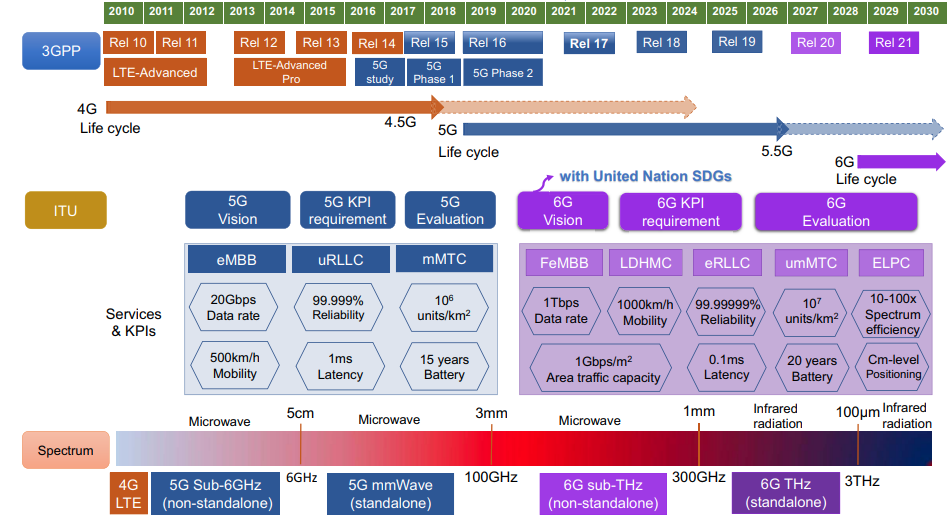
Security and Privacy for 6G: A Survey on Prospective Technologies and Challenges
Engineering and Technologies
JUL 14, 2025

Security and Privacy for 6G: A Survey on Prospective Technologies and Challenges

Read More
人生100設計學:從臺灣的「樂齡學習」到長壽社會的行動藍圖
Education and Culture
FEB 28, 2025

Designing Life for 100 Years: From Taiwan’s Active Aging Learning Initiatives to an Action Blueprint for a Longevity Society

Read More

Focus Scholars

Humanities and social sciences

More Articles
Kidney and Cardiovascular Outcomes Among Patients With CKD Receiving GLP-1 Receptor Agonists: A Systematic Review and Meta-analysis of Randomized Trials

Kidney and Cardiovascular Outcomes Among Patients With CKD Receiving GLP-1 Receptor Agonists: A Systematic Review and Meta-analysis of Randomized Trials

Apr 28, 2026

Background and Objective Chronic kidney disease (CKD), especially diabetic kidney disease, remains a major global health burden and is strongly linked to increased cardiovascular risk. Although standard care can slow disease progression, substantial residual risks of kidney decline, cardiovascular events, and death still remain. GLP-1 receptor agonists have shown cardio-kidney benefits in broader diabetes populations, but their efficacy in patients with already reduced kidney function (baseline eGFR < 60 mL/min/1.73 m2) has been uncertain. This study aimed to systematically evaluate kidney, cardiovascular, and survival-related outcomes of GLP-1 receptor agonists in patients with CKD. Its importance lies in directly addressing a high-risk subgroup (baseline eGFR < 60 mL/min/1.73 m2) in which prior evidence has been fragmented and clinical decision-making has often relied on indirect inference.   Methods Randomized controlled trials were searched through May 25, 2024, across major databases. Eligible studies included adults with baseline eGFR < 60 mL/min/1.73 m2 and compared GLP-1 receptor agonists versus control treatment. The main outcomes were: - composite kidney outcomes, - all-cause mortality, - composite cardiovascular outcomes. Twelve RCTs were included, comprising 17,996 participants with baseline eGFR < 60. Pooled effects were estimated using random-effects models and reported as odds ratios (ORs) with 95% confidence intervals. An additional methodological contribution was the harmonized outcome framework: heterogeneous kidney-event definitions across trials were integrated into a comparable composite kidney outcome, with standardized secondary thresholds of eGFR decline (>30%, >40%, and >50%). Key Findings Compared with control treatment, GLP-1 receptor agonists were associated with: lower risk of composite kidney outcomes: OR 0.85 (95% CI 0.77-0.94; P = 0.001), lower risk of significant eGFR decline: decline greater than 30%: OR 0.78 (P = 0.004), decline greater than 40%: OR 0.76 (P = 0.01), decline greater than 50%: OR 0.72 (P < 0.001), lower all-cause mortality: OR 0.77 (95% CI 0.60-0.98; P = 0.03), lower composite cardiovascular outcomes: OR 0.86 (95% CI 0.74-0.99; P = 0.03). Sensitivity analyses suggested larger effect sizes when analyses were restricted to human GLP-1 backbone agents; however, this should be interpreted with caution in view of between-trial differences.   Clinical Relevance This meta-analysis helps address an evidence gap in patients with reduced kidney function. The findings suggest that GLP-1 receptor agonists are associated with lower risks of adverse kidney outcomes, cardiovascular events, and all-cause mortality in CKD populations. By integrating randomized evidence across kidney, cardiovascular, and survival domains, the study provides clinically meaningful, multi-dimensional risk estimates for a population with substantial unmet need. From a clinical perspective, these results support consideration of integrated cardio-kidney risk management in high-risk CKD patients and may inform multidisciplinary care prioritization and future guideline refinement. In particular, the harmonized kidney outcome definitions improve cross-trial interpretability and practical risk communication. More importantly, this work moves beyond asking whether treatment benefit exists; it provides a usable interpretive framework for clinical practice. By aligning heterogeneous trial outcomes into a common kidney-event language and standardized eGFR-decline thresholds, the study strengthens comparability across trials and facilitates translation of evidence into bedside risk discussions and treatment sequencing. Overall, this study provides consolidated and clinically translatable evidence that GLP-1 receptor agonists are associated with more favorable kidney, cardiovascular, and survival outcomes in patients with CKD.   (Provided by: National Taiwan University Hospital research team)

Engineering and technologies

More Articles
Mitochondrial Glutathione in Cellular Redox Homeostasis and Disease Manifestation

Mitochondrial Glutathione in Cellular Redox Homeostasis and Disease Manifestation

Mar 16, 2026

      Mitochondria are critical for providing energy to maintain cell viability. Oxidative phosphorylation involves the transfer of electrons from energy substrates to oxygen to produce adenosine triphosphate. Mitochondria also regulate cell proliferation, metastasis, and deterioration. The flow of electrons in the mitochondrial respiratory chain generates reactive oxygen species (ROS), which are harmful to cells at high levels. Oxidative stress caused by ROS accumulation has been associated with an increased risk of cancer, and cardiovascular and liver diseases. Glutathione (GSH) is an abundant cellular antioxidant that is primarily synthesized in the cytoplasm and delivered to the mitochondria. Mitochondrial glutathione (mGSH) metabolizes hydrogen peroxide within the mitochondria. A long-term imbalance in the ratio of mitochondrial ROS to mGSH can cause cell dysfunction, apoptosis, necroptosis, and ferroptosis, which may lead to disease. This study aimed to review the physiological functions, anabolism, variations in organ tissue accumulation, and delivery of GSH to the mitochondria and the relationships between mGSH levels, the GSH/GSH disulfide (GSSG) ratio, programmed cell death, and ferroptosis. We also discuss diseases caused by mGSH deficiency and related therapeutics. Mitochondria play a central role in maintaining cellular energy metabolism and viability. Through oxidative phosphorylation, electrons are transferred from metabolic substrates to molecular oxygen to generate adenosine triphosphate (ATP). In addition to energy production, mitochondria participate in the regulation of cellular proliferation, metabolic homeostasis, and aging processes. However, electron transfer within the mitochondrial respiratory chain also generates reactive oxygen species (ROS). Excessive ROS accumulation leads to oxidative stress and cellular damage and has been closely associated with the pathogenesis of cancer, cardiovascular disorders, and liver diseases.       Glutathione (GSH) is one of the most abundant intracellular antioxidants. It is primarily synthesized in the cytosol and subsequently transported into mitochondria through specific carrier systems. Mitochondrial glutathione (mGSH) plays a critical role in detoxifying hydrogen peroxide and maintaining mitochondrial redox homeostasis. Persistent imbalance between mitochondrial ROS production and mGSH levels can impair mitochondrial function and trigger multiple forms of programmed cell death, including apoptosis, necroptosis, and ferroptosis.          This review summarizes the physiological functions and biosynthetic pathways of GSH and examines its tissue distribution and mitochondrial transport mechanisms. Furthermore, we discuss the relationships between mGSH accumulation, the GSH/GSSG redox ratio, and programmed cell death pathways, particularly ferroptosis. Finally, diseases associated with mGSH deficiency and emerging therapeutic strategies targeting mitochondrial redox regulation are also discussed.

Natural sciences

More Articles
Effects of vitamin D in pregnancy on maternal and offspring health-related outcomes: An umbrella review of systematic review and meta-analyses

Effects of vitamin D in pregnancy on maternal and offspring health-related outcomes: An umbrella review of systematic review and meta-analyses

Jun 04, 2026

1. Background: The Importance of Vitamin D During Pregnancy Vitamin D is an essential fat-soluble vitamin that plays a critical role not only in calcium and phosphorus metabolism and bone development, but also in immune regulation, metabolic function, and fetal growth and development. Due to increased physiological demands during pregnancy, combined with insufficient sunlight exposure and inadequate dietary intake, vitamin D deficiency has become a common global health concern among pregnant women. Whether vitamin D deficiency adversely affects maternal and neonatal health, and whether vitamin D supplementation can improve these outcomes, remains an important issue in clinical medicine and public health. 2. Research Method: An Umbrella Review of Existing Evidence This study employed an umbrella review approach to comprehensively synthesize findings from published systematic reviews and meta-analyses examining the effects of maternal vitamin D status and vitamin D supplementation during pregnancy on maternal and offspring health outcomes. A systematic search was conducted in PubMed, Embase, and the Cochrane Library. Sixteen eligible systematic reviews and meta-analyses published up to October 2023 were included, representing data from more than 250,000 pregnant women. 3. Association Between Vitamin D Deficiency and Adverse Maternal and Neonatal Health Outcomes The findings indicate that vitamin D deficiency during pregnancy is significantly associated with several adverse maternal and neonatal health outcomes. Pregnant women with vitamin D deficiency are at increased risk of preterm birth, gestational diabetes mellitus, recurrent miscarriage, and bacterial vaginosis. Their infants are more likely to experience low birth weight, small-for-gestational-age (SGA) status, and other unfavorable birth outcomes. Furthermore, low maternal vitamin D levels may be associated with an increased risk of long-term neurodevelopmental disorders in offspring, including attention-deficit/hyperactivity disorder (ADHD) and autism spectrum disorder (ASD). 4. Benefits of Vitamin D Supplementation for Maternal and Neonatal Health The study found that appropriate vitamin D supplementation during pregnancy can increase maternal serum vitamin D concentrations and reduce the risk of pre-eclampsia, miscarriage, and vitamin D deficiency. For fetuses and newborns, vitamin D supplementation was associated with increased birth length, reduced fetal or neonatal mortality, and improved neonatal vitamin D status. 5. Additional Benefits for Women with Gestational Diabetes Mellitus The benefits of vitamin D supplementation appear to be particularly pronounced among women with gestational diabetes mellitus (GDM). Supplementation was associated with improved glycemic control and insulin sensitivity, as well as reduced risks of polyhydramnios, fetal distress, macrosomia, neonatal hyperbilirubinemia, and neonatal hospitalization. 6. Conclusions and Clinical Implications Overall, this study demonstrates that maternal vitamin D status is closely linked to both maternal and neonatal health. Maintaining adequate vitamin D levels during pregnancy may help reduce pregnancy-related complications and improve fetal growth, development, and long-term child health outcomes. The findings support routine monitoring of vitamin D levels, particularly among women at high risk of deficiency, and suggest that vitamin D supplementation during pregnancy should be considered. Current evidence indicates that supplementation with more than 400 IU/day of vitamin D may help prevent certain adverse maternal and neonatal outcomes. 7. Research Contributions and Future Perspectives The findings of this study provide valuable evidence for clinical practice, prenatal nutritional guidance, and public health policy development. By highlighting the importance of maintaining adequate vitamin D status during pregnancy, this research contributes to strategies aimed at improving the health and well-being of both mothers and their children.   (Provided by: Clinical Medical Research Center research team, Chia-Yi Christian Hospital)

Education and culture

More Articles
Designing Life for 100 Years: From Taiwan’s Active Aging Learning Initiatives to an Action Blueprint for a Longevity Society

Designing Life for 100 Years: From Taiwan’s Active Aging Learning Initiatives to an Action Blueprint for a Longevity Society

Feb 28, 2025

Background: The Turning Point of an Aging Society Has Arrived   Taiwan is entering a super-aged society at an unprecedented pace. According to data from the National Development Council, by 2025, people aged 65 and over will account for more than 20% of Taiwan's total population. In the future, Taiwan’s rate of population aging is projected to surpass Japan’s starting in 2047 and, by 2070, be only slightly behind South Korea’s—ranking among the highest globally. This is no longer a future scenario—it is already happening. Many individuals are unprepared mentally, and both social systems and personal planning are struggling to keep up. While past aging policies have focused largely on care and medical support, the emergence of a decades-long elderly stage of life calls for a new paradigm. Shouldn’t we reimagine this challenge through the lens of education? How can we help people proactively plan, engage, and live meaningfully in the second half of life? Fig. 1. 臺中市樂齡學習示範中心   A Global First: Taiwan’s “Senior Learning Policy” as a Model for Educational Prevention and Proactive Aging Since 2008, my team and I have implemented a “Active Aging Learning Initiative,” which became the world’s first government-led, systemically implemented educational policy for older adults1. Unlike the international norm that prioritizes the “right to be cared for,” we advocate for a different concept: the “responsibility to design one’s later life through learning before entering old age.” Senior learning is not just about course delivery—it is a pathway to social participation and self-actualization. Over 18 years, more than 372 senior learning centers have been established across Taiwan. A community-based, intergenerational, and action-oriented model has emerged, deepening education’s role in building a longevity society2. Fig. 2. from 劉文端   The “1-2-3 Instructional Model": A New Pedagogical Paradigm for Adult Learning To overcome the passivity of traditional learning, we developed the “1-2-3 Instructional Model” tailored for older and adult learners. It emphasizes three core components3: l 1 Learning Focus: Center on a clear learning objective. l 2 Learning Activities:Combine conceptual understanding with hands-on experiences to boost motivation and contextual awareness. l 3 Applications: Transform learning into practical actions—whether personal, social, or purposeful. This model is now part of Taiwan’s Professional Training and Certification in Active Aging Education, with over 8,000 certified instructors actively teaching in Active Aging Learning Centers and community programs, becoming catalysts of educational transformation in the age of longevity. Fig. 3. 高雄市樂齡學習示範中心   The Third Life University: A New Lifelong Learning Blueprint for the 55+ Generation In 2024, commissioned by the Ministry of Education, we developed the framework and pilot for the “Third Life University” targeting adults aged 55 and above. Key features include: l Core literacy curriculum modules for a 100-year life l Ministry-accredited credit and certification systems l A hybrid learning model linking university resources with communities. l Program designs to support career transitions, meaningful engagement, and dream realization The Third Life University is not just a place for learning—it is a platform for new social roles and personal value in a long-lived society. From Anxiety to Action: Life Design Modules for a 100-Year Life Our research shows that many individuals face two tensions in later life: anxiety over identity shifts and lack of clear goals, alongside uncertainty about what they truly want. To address this, we created a “Designing Life for 100 Years” learning module, incorporating self-directed learning, narrative inquiry, and action planning to support: l Life review and future exploration l Values clarification and goal setting l Micro-practices and reflective action This module now serves as the foundation for the “Life Design for 100” Facilitator Certification, aimed at training professionals equipped to guide and inspire others45.   Beyond Academia: Social Advocacy for Designing Life After 50 As a scholar, I’ve realized that research without real-world application cannot address society’s urgent needs. Since 2012, we have translated academic insights into public initiatives and publications, including:  l Practical books such as Design Your Second Half: A Happiness Guide for Active Aging and Designing a Life That Moves You l Certified Life Design Facilitator l Public education campaigns, social innovation projects, and experimental courses for longevity living Through interdisciplinary collaboration and community co-creation, we aim to inject hope and agency into the rapidly aging society6.   A Sincere Invitation to Like-Minded Changemakers If you resonate with any of the following: l You wish to explore cutting-edge theories and practices in elder education l You hope to become a “100-Year Life” facilitator and support others in their later-life transitions l You aim to design learning programs or action plans for the 55+ generation l You want to contribute to policies or fieldwork for a longevity society We warmly invite you to join the Learning & Action Movement of Designing Life for 100 Years7. Because now is the best time to redesign the future. Fig. 5. National Chung Cheng University Aging & Education Research Center   1 Findsen, B., Wei, H.-C., & Li, A.-T. (Eds.). (2022). Taiwan's Senior Learning Movement: Perspectives from the outside in and from the inside out (Lifelong Learning Series 28). Springer. DOI: https://doi.org/10.1007/978-3-030-93567-2 2 Findsen, B., & Wei, H.-C. (2023). Senior Learning in Taiwan: Achievements and Challenges. Adult Education Discourses, 24, 103-119. DOI: https://doi.org/10.34768/dma.vi24.685 3 Wei, H.-C., & Li, A.-T. (in press). Taiwan's active aging learning practice through the 1-2-3 Instructional Model: Facilitating learning among individuals 55 years old and above. In Qiu Wang & Guofang Wan (edit.). Life-long Learning: The Education of the Aging Population (pp. xx–xx). Chinese American Educational Research and Development Association Book Series, Information Age Publishing. https://tinyurl.com/4p7427rr 4 Liao, F.-M., Chen, G.-L., Hsu, C.-T., Liu, Y.-H., Cheng, L.-L., Chan, X.-C., & Wei, H.-C.* (2023). Validation of the self-directed learning scale for middle-aged and older adults. Educational Gerontology 50(4), 304-319. DOI: https://doi.org/10.1080/03601277.2023.2270874 5 Liao, F.-M., Chen, G.-L., Hsu, C.-T., & Wei, H.-C.* (2024). Assessing the ability of self-directed learning as a prerequisite for active aging among middle-aged and older adult learners: cross-sectional study. Educational Gerontology, 51(3), 313-329. DOI: https://doi.org/10.1080/03601277.2024.2391164 6 Wei, H.-C., Lin, Y.-H., & Chang, L.-H. (2023). The Effectiveness of a Blended Learning‐Based Life Design Course: Implications of Instruction and Application of Technology. SN Computer Science, 4, Article 360. https://doi.org/10.1007/s42979-023-01730-3 7 Wei, H.-C. (2022, July). My Personal and Professional Growth in the Second Half of Life: The Impact of My Active Aging Learning Experiences. PIMA Bulletin, 43, 25-28. Special Issue on Later Life Learning, guest editors Brian Findsen and Diana Amundsen. https://vn.seameocelll.org/wpcontent/uploads/2023/12/PIMA-Bulletin-No.43-Jul-2022.pdf